How accessible is expedition cruising?
From polar wilderness to tropical wildlife encounters, expedition cruising offers more than you might expect. Here’s what you need to know before stepping aboard.
What is it?
Expedition ships are designed to reach places conventional cruise ships often can’t. Built for extreme conditions, they tend to carry between 80 and 300 guests and are designed to tuck into tropical coves, navigate glacier filled bays, and traverse the oceans of the world. Unlike the expedition vessels of the past, today’s ships use modern technology to combine exploration with creature comforts and, in some cases, fine dining. Silversea and Ponant Expeditions combine sheer luxury with the essence of exploration, and HX Expeditions, Aurora Expeditions, Quark Expeditions, and National Geographic Lindblad Expeditions also place a
strong emphasis on responsible and lower-impact exploration.
How fit do I need to be?
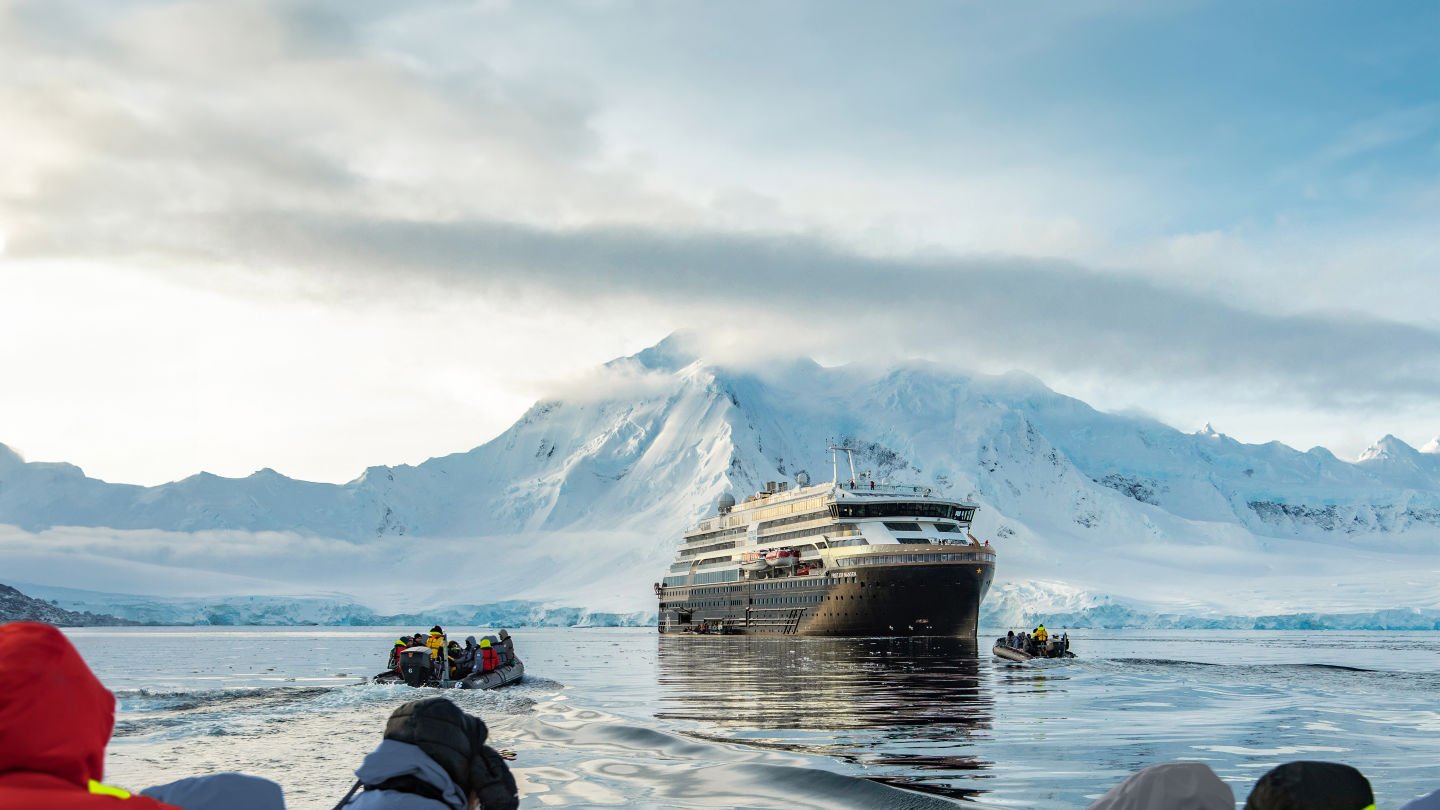
HX guests explore Antarctica by Zodiac, with MS Fridtjof Nansen nearby The great news is, you certainly don’t need to be an athlete. However, good balance and mobility, together with the ability to manage stairs and walk short distances over uneven ground, will stand you in good stead. Boarding and disembarking zodiacs (small inflatable boats) requires balance and mobility, particularly when conditions are uneven or the sea is moving. Expedition staff are always there to provide guidance and assistance, but guests must still be able to participate safely. Newer ships operated by companies such as Quark, Silversea, and Aurora Expeditions feature purpose-built mudrooms and loading platforms designed to make zodiac boarding more efficient. Some companies, (especially if you are travelling to a polar region) require a medical form to be filled out by your doctor and, naturally, travel insurance is a must-have.

As demand for expedition cruising grows among travellers of different ages and abilities, onboard accessibility is receiving greater attention. HX, Scenic, Silversea, Viking, Quark, and Aurora, to name a few, have elevators and carefully appointed mobility-friendly cabins.
Where can I go?
With a growing fleet of expedition vessels exploring the world’s oceans and seas, the world really is your oyster. The polar regions are usually high on the wish list for expeditioners. Penguins, whales, and icebergs are among Antarctica’s attractions, while the possibility of seeing polar bears, walruses, and Arctic foxes draws travellers to Svalbard. Greenland, the largest island on the planet, is rich in Indigenous culture and dramatic landscapes. Then there’s the more easily reached subpolar regions like Alaska, Iceland, the British and Irish Isles in the north, and Patagonia and the sub-Antarctic islands in the south.
Alternatively, popular tropical hotspots include Costa Rica, home of dense rainforests teeming with wildlife; Indonesia and the Spice Islands, rich in cultural experiences and coral reefs; HX guests enjoy a close wildlife encounter in the Galápagos Islands and the jewel in Australia’s crown, the Kimberley, characterised by red cliffs laced with waterfalls and Indigenous history which needs to be seen to be believed. Mexico is emerging as a go-to place for Australian travellers. The Sea of Cortez in Baja, California, seethes with wildlife and is one of the best places on the planet to see grey whales. Straddling the Equator, the carefully protected and ecologically fragile Galápagos Islands are revered by expedition travellers and are often described as a living laboratory.
What is there to do?
There is no such thing as a typical day on an expedition cruise. As each day unfolds, the expedition leader and their team adapt the planned activities to the weather, wildlife, and conditions outside. And since weather conditions in remote areas can change faster than a torpedoing penguin, flexibility is always the key. Depending on the ship and location, excursions designed to immerse guests in their environment and pique a sense of curiosity could include Zodiac cruising, onshore meanders or hikes, citizen science activities, kayaking, snorkelling, diving, engagement with local communities, cultural performances, and art and craft activities.
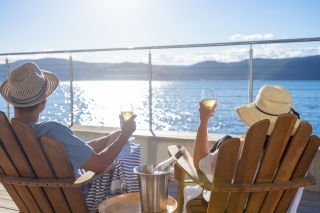
Alternatively, life onboard is rather like being in a luxurious base camp and sometimes you may like to enjoy quiet time curled up with a book in the library or an outside deck. Wellness centres, pools, and spas are also a feature of many expedition ships including HX, Viking, Ponant, Silversea, and Aurora. Wherever you choose to go, and whatever the weather brings, any day spent on an expedition cruise will be etched in your memory as one of life’s best experiences.
Call 1300 88 37 50


Travel newsletters
As a subscriber of our travel clubs, you'll receive tailored travel deals and inspiration for mature travellers delivered to your inbox.
National Seniors members can access special pricing on curated holiday packages with National Seniors Travel.
For more information or to book your next holiday contact our friendly travel consultants on 1300 88 37 50 or email travel@nationalseniors.com.au.